
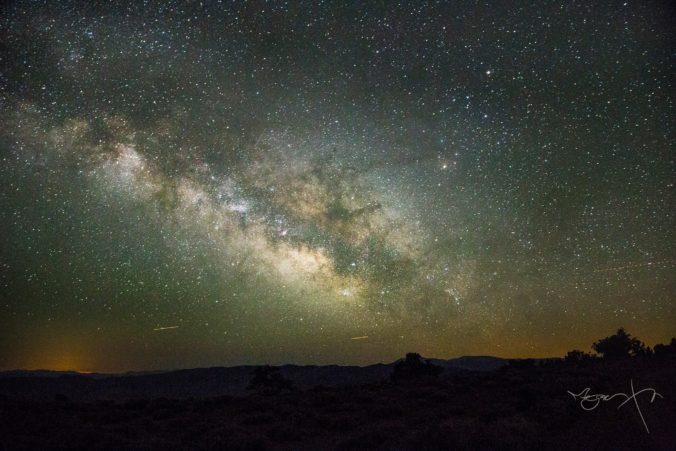
New Grandview photos are in the Gallery
Our first trip to the Cedar Flats campground / Grandview area is happening this weekend: https://sbvaa.org/events/2022-grandview-1/
New Grandview photos are in the Gallery
Our first trip to the Cedar Flats campground / Grandview area is happening this weekend: https://sbvaa.org/events/2022-grandview-1/
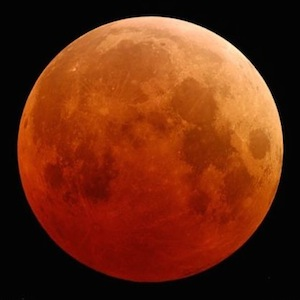
Mark your calendars, we have a very time favorable lunar eclipse coming up on Sunday, May 15. May’s eclipse starts during moonrise and reaches peak totality at 9:11 pm. More eclipse information can be found on the Time and Date website.
You can view the “blood moon” from anywhere and without a telescope but, our club will be at the San Bernardino County Museum for the show.
The next total lunar eclipse will be on November 8 but at 3:00 am!
On the night of November 18 – 19, there will be a near-total lunar eclipse visible in our area. Technically it is a partial eclipse given that 97% of the moon will be in Earth’s umbral shadow but that is very nearly total. The umbral partial eclipse begins at around 11:19 pm on Nov. 18, max partial at 1:03 am on Nov. 19, and ends at 2:47 am. Additional information
| Event | UTC Time | Time in Redlands | Visible in Redlands |
|---|---|---|---|
| Penumbral Eclipse begins | Nov 19 at 06:02:09 | Nov 18 at 10:02:09 pm | Yes |
| Partial Eclipse begins | Nov 19 at 07:18:42 | Nov 18 at 11:18:42 pm | Yes |
| Maximum Eclipse | Nov 19 at 09:02:55 | Nov 19 at 1:02:55 am | Yes |
| Partial Eclipse ends | Nov 19 at 10:47:04 | Nov 19 at 2:47:04 am | Yes |
| Penumbral Eclipse ends | Nov 19 at 12:03:40 | Nov 19 at 4:03:40 am | Yes |
You’ll need to get up early or stay up late to view parts of the May 26 lunar eclipse. West Coast viewers will be able to see the umbral stage beginning around 2:45 am and conclude at around 5:50 am shortly before the moon sets.
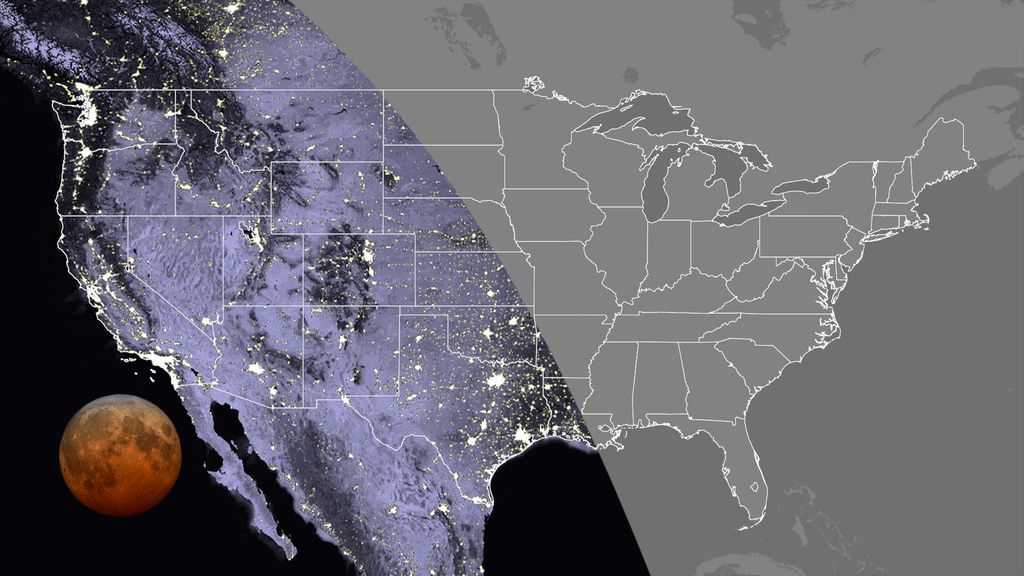
Ref: https://www.space.com/super-flower-blood-moon-total-lunar-eclipse-2021-guide
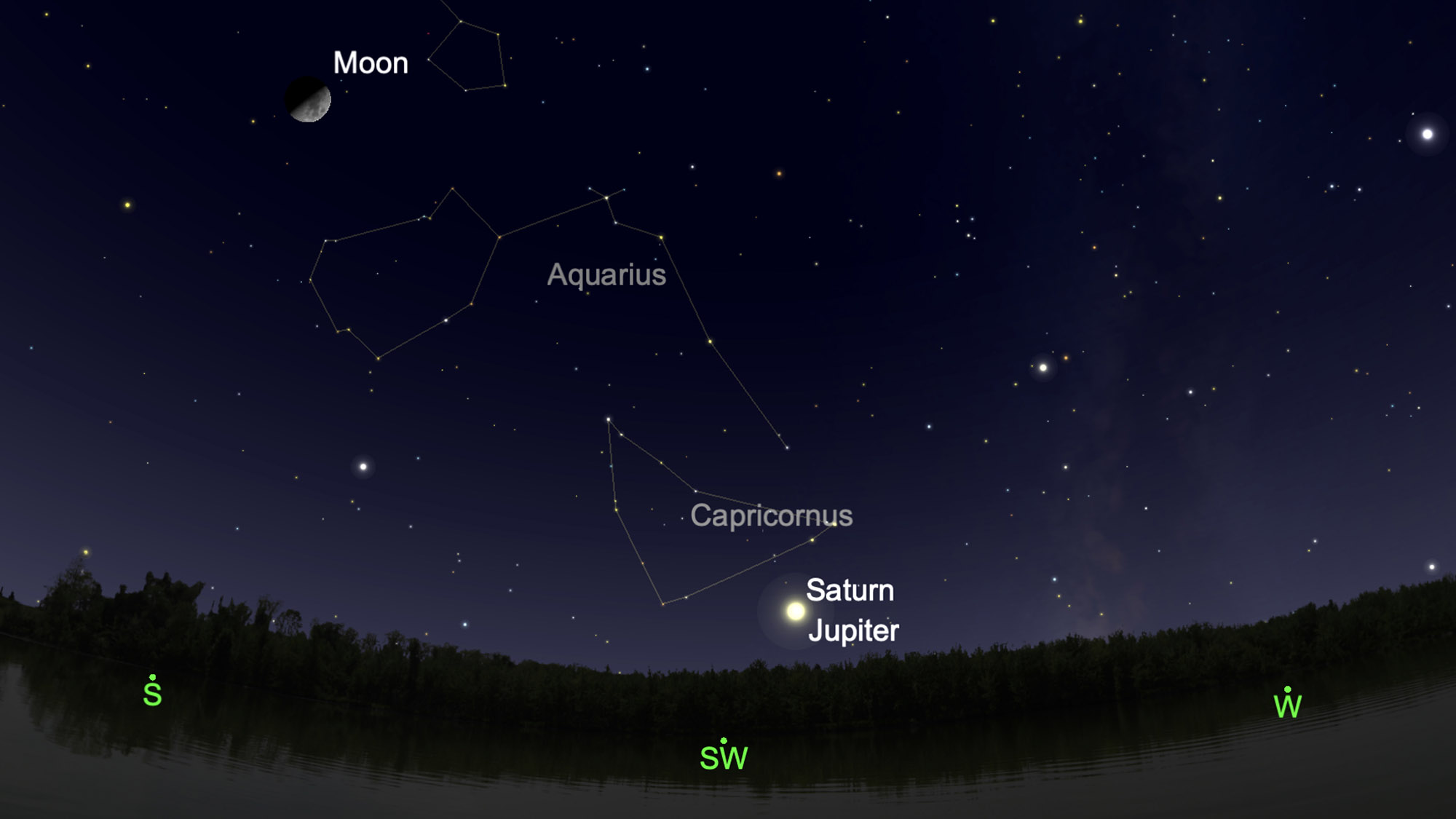
During the “Great Conjunction” on Dec. 21, 2020, Jupiter and Saturn will be about one-tenth of a degree apart, their closest approach since 1623. However, they will be very low in the western sky right after sunset. More information at Space.com
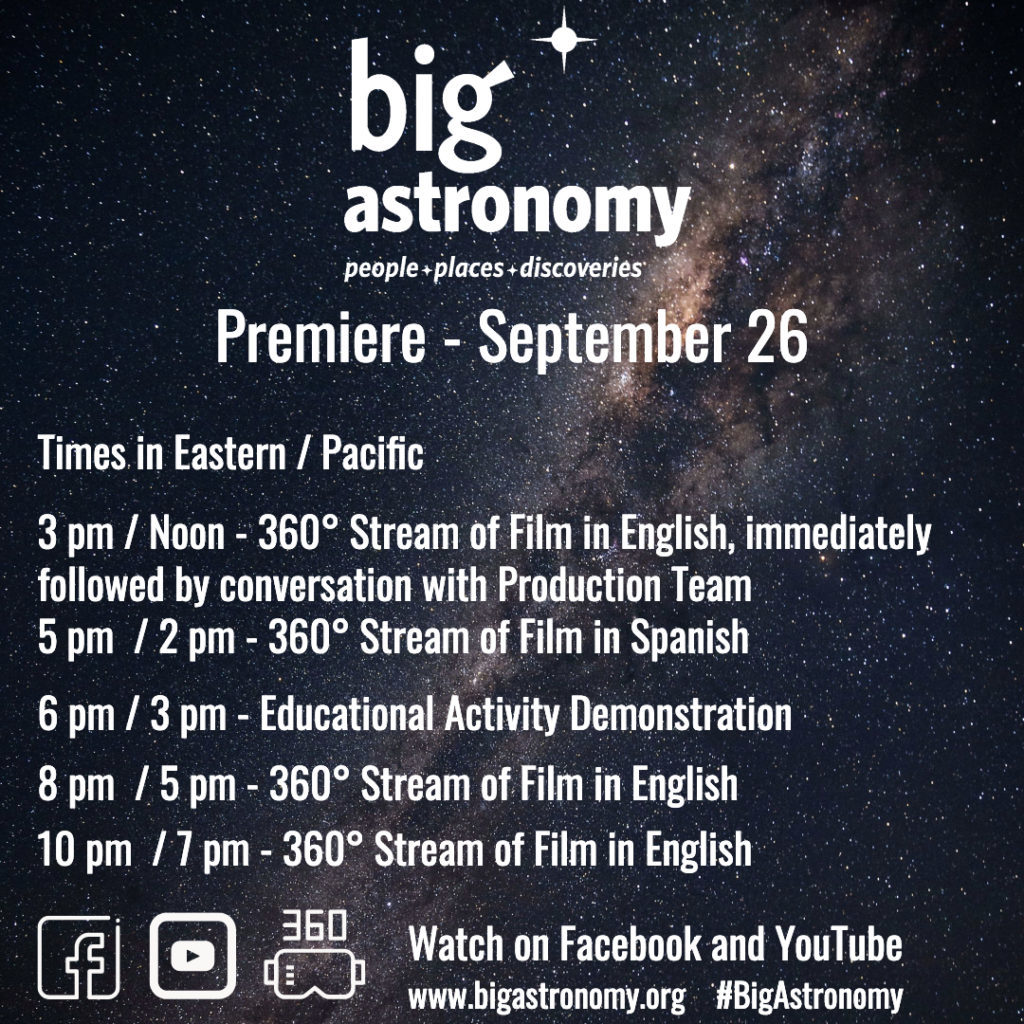
The global Premiere of the award-winning Big Astronomy Planetarium show this Saturday! In just 30 minutes, tour the incredible observatories of Chile and meet some of the dedicated people who bring us big astronomy discoveries. We encourage you to tune into one of four live-streamed 360º showings this Saturday. (These will not be archived, so this is your chance!) https://www.bigastronomy.org/join-us-september-26-big-astronomy-premiere/
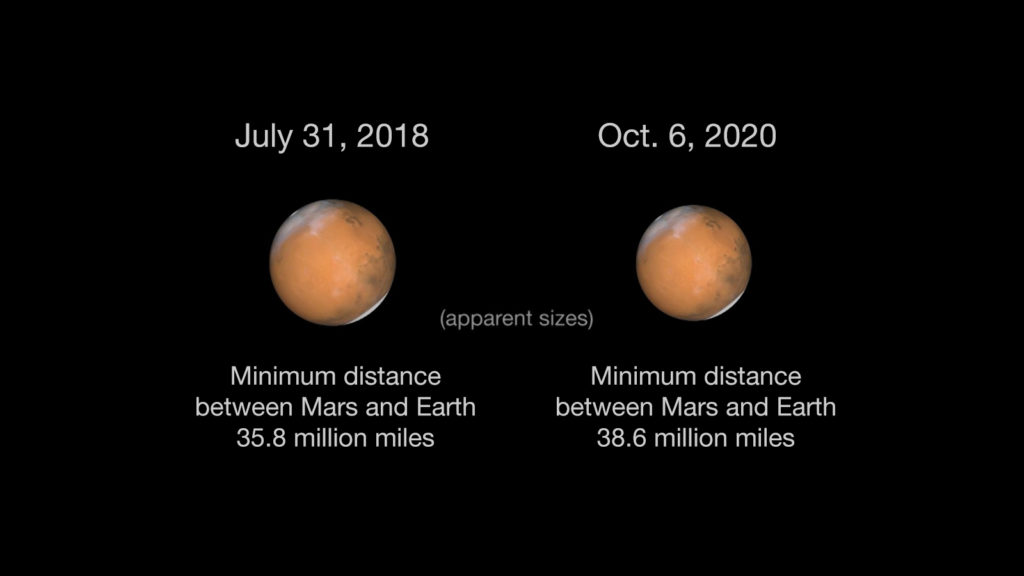
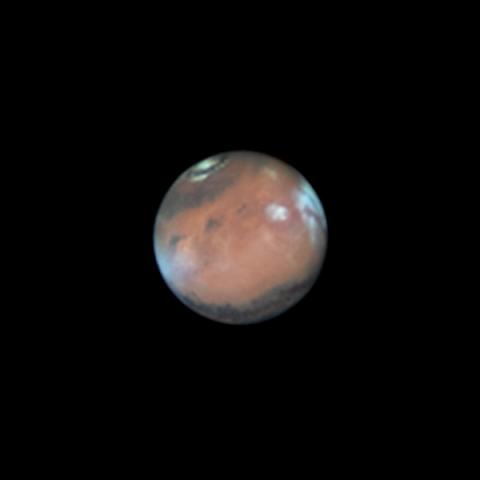
Start getting ready for Mars opposition on Oct. 6. Mars continues to get brighter in the late night sky. After the moon passes, Sept. 4-6, train your telescope on the red planet to view its features (unless there is a dust storm). Do forget to observe Jupiter and Saturn while your are at it.
A weekly astronomy themed contest by U. S. Borax: https://www.borax.com/borax-operations/stars-challenge
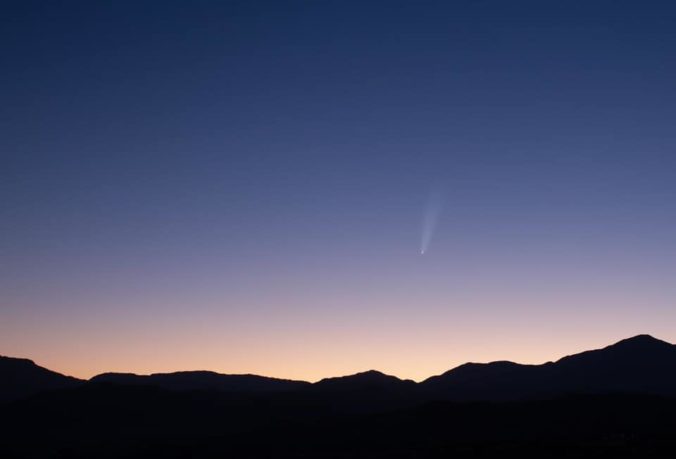
Comet C/2020 F3 (NEOWISE) is a small naked-eye comet visible in the early morning hours and soon in early evening. The EarthSky website has an article on how to see it: https://earthsky.org/space/how-to-see-comet-c2020-f3-neowise
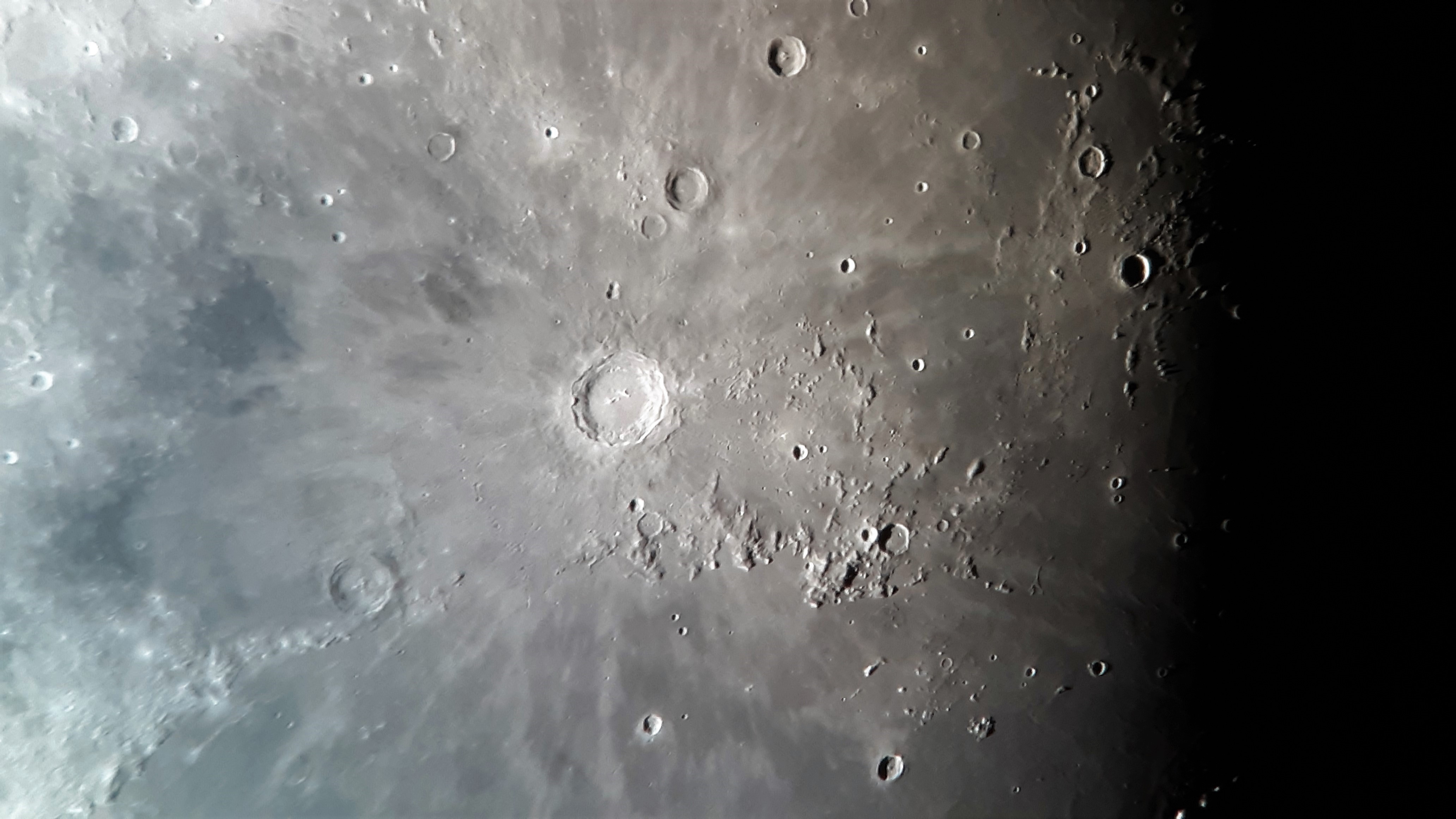
Take a look at what our members are up to during the crisis https://sbvaa.org/galleries/members-astrophotos/
 Astronomy News visible from latitude 34.06°N
© 2026 San Bernardino Valley Amateur Astronomers
Theme by Anders Noren — Up ↑




Recent Comments